In the mountains, we train for a lot—technical rope systems, backcountry trauma, avalanche rescue. But one of the most time-sensitive, high-stakes emergencies mountain rescuers face gets surprisingly little attention: drowning. It’s something SAR teams around the country have been dealing with a lot recently, from waterfall and lake drownings in the Lake Tahoe, California area, to three drownings in five days in Vermont, three in Colorado’s Lake Pueblo State Park and many victims in whitewater areas, including Idaho.
It doesn’t always look dramatic. There’s no thrashing, no calls for help. Drowning is often silent and sudden, especially in the cold, fast-moving waters of mountain environments. From snowmelt-fed rivers and alpine lakes to vehicle submersions during flash floods, mountain rescuers are more likely to face water-related emergencies than many might expect. And when we do, the decisions we make in the first few minutes can mean the difference between life and death.
Understanding Drowning
The World Health Organization defines drowning as “the process of experiencing respiratory impairment due to submersion or immersion in liquid.” It doesn’t matter whether the person survives—what matters is that they had trouble breathing because of water.
That may seem like a small distinction, but it has major implications. Outdated terms like “near drowning,” “dry drowning,” or “secondary drowning” are no longer considered medically accurate. Using standardized language improves communication across agencies, among professionals, and ensures consistency in training, documentation, and research.
Where Drowning Happens
Drowning doesn’t just happen in swimming holes. It happens during spring runoff, when a benign trail crossing becomes a torrent. It happens in alpine lakes, where cold shock and sudden fatigue can lead to tragedy. It happens during flash floods, during river crossings, even during a rescue when a rescuer falls into moving water.
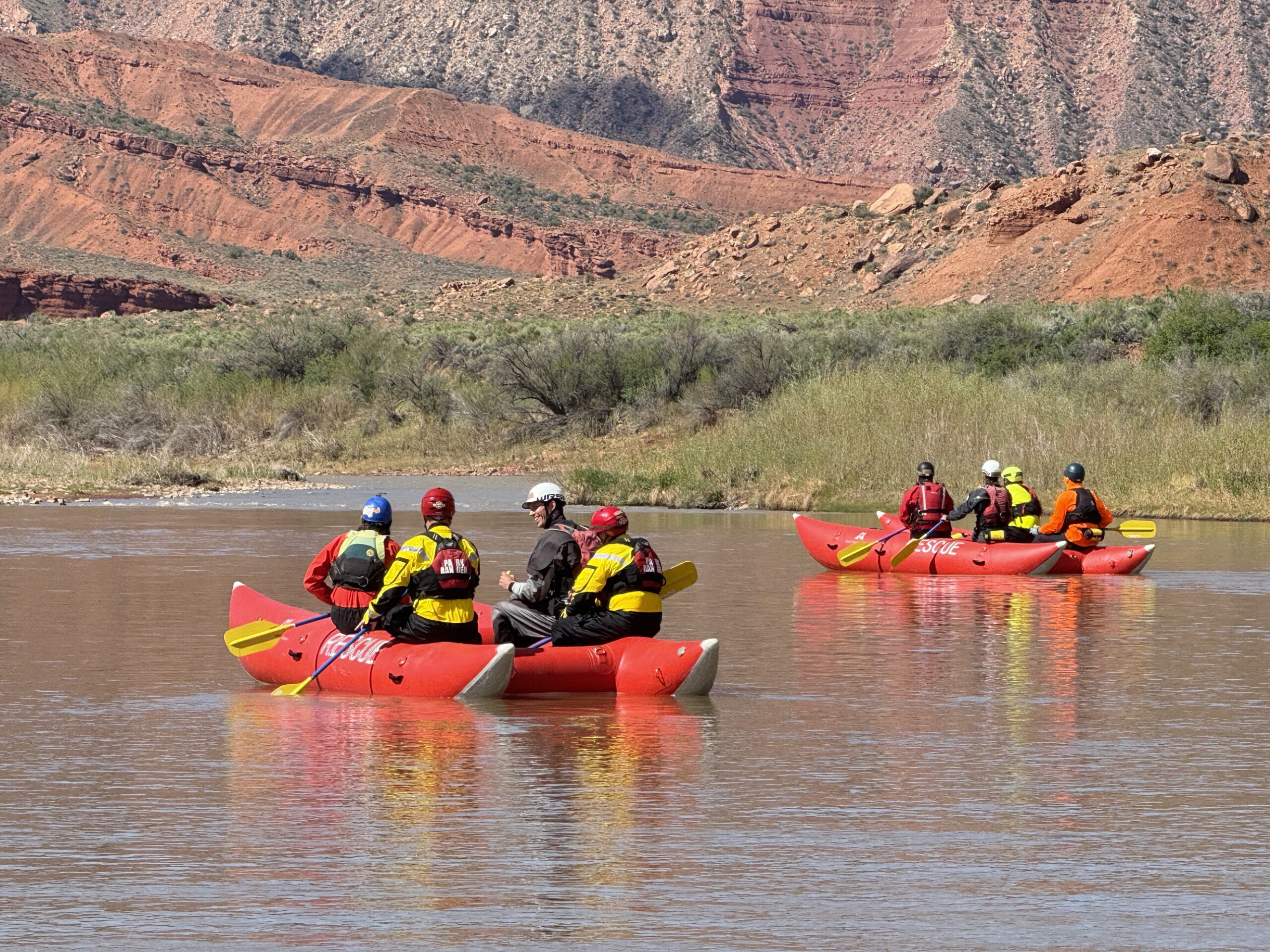
Activities like packrafting, backcountry swimming, and canyoneering are gaining popularity. With climate change driving more extreme weather and flooding, water-related rescues are only becoming more common in mountainous regions, as evidenced by the extensive flooding in Western North Carolina in September 2025.
Prevention: Our Strongest Tool
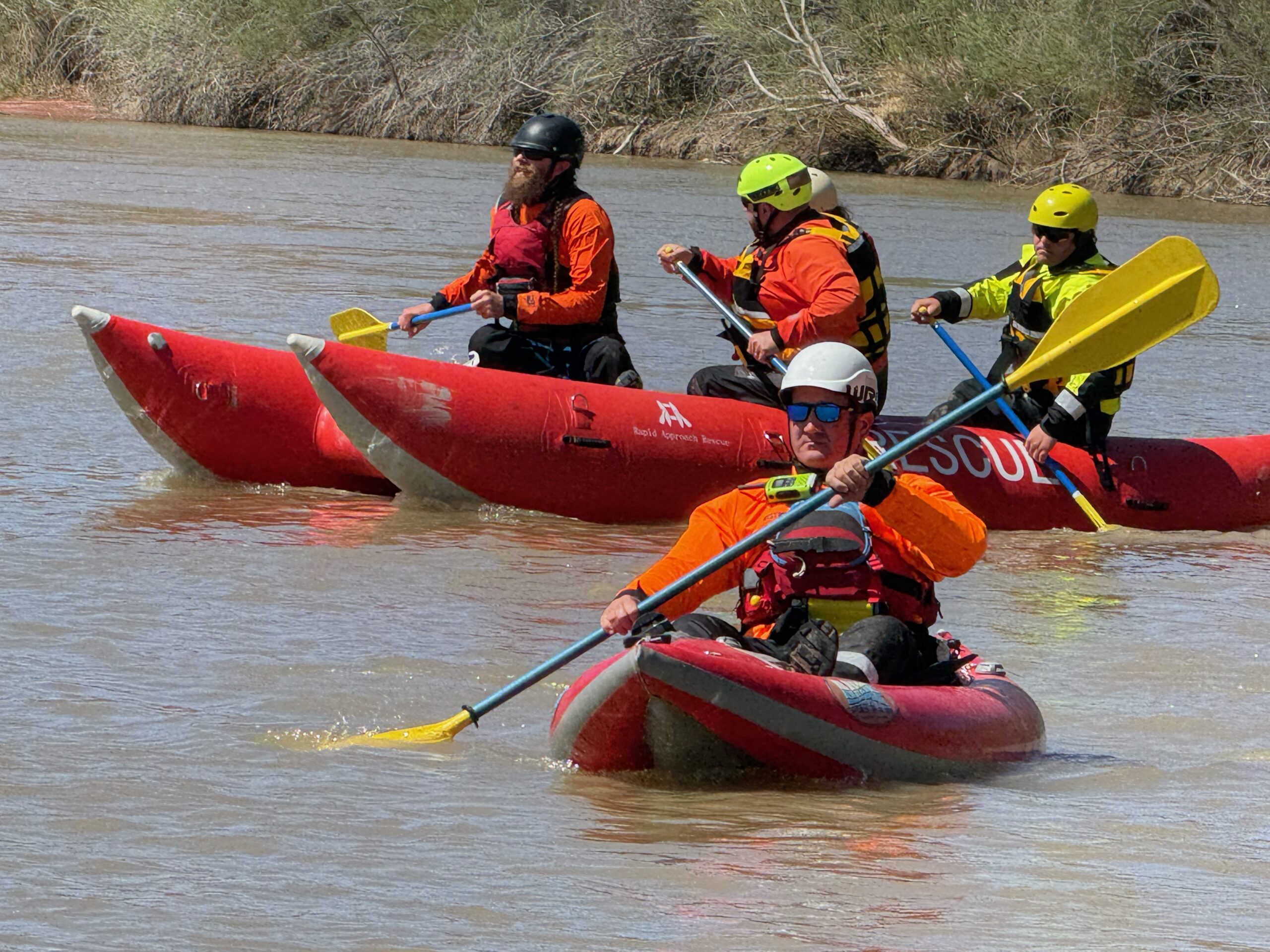
The best rescue is the one that never happens. Every rescuer should model water safety: wear a PFD near water, advocate for swimming competency, and screen water rescuers for drowning risk factors like seizures, cardiac history, and neurodevelopmental conditions. Those with seizure disorders, in particular, face dramatically higher rates of drowning.
Most critically: No one should attempt a rescue in moving water without formal swiftwater rescue training.
Swiftwater environments are deceptive and deadly. Even strong swimmers can be swept away in seconds. Untrained water entry is dangerous and often fatal. Rescues should be performed from shore whenever possible—using a paddle, throw rope, or flotation device. Even a cooler may save a life without putting yours at risk.
Responding to Drowning in the Field
Once a patient is pulled from the water, the priority is oxygenation. Drowning is a hypoxic event—the heart often stops because the brain was starved of oxygen, not because of a rhythm issue like during a cardiac event like a heart attack.
When a patient is pulled from the water, immediately start with five rescue breaths, then proceed with chest compressions at a 30:2 ratio. Use a CPR mask with a one-way valve if available. If you’re unable to provide ventilations, compression-only CPR is still better than nothing—but for drowning, rescue breathing is critical.
AEDs are rarely helpful early on. Ventricular fibrillation is uncommon in drowning. Focus on breathing and circulation first. Only apply an AED once airway and oxygenation are established. While it may seem like common sense that using an AED in a wet environment would be risky, don’t worry- there’s no risk to rescuers of electrocution, simply make your best efforts to dry the patient’s skin to allow for good defibrillator pad adherence.
The Compounding Threat of Cold
Mountain water is cold—even in summer—and it changes everything. Drowning in cold water happens in phases:
- Cold shock triggers gasping and hyperventilation, often leading to immediate aspiration.
- Swim failure occurs within 5–10 minutes as coordination fails.
- Hypothermia sets in next, and eventually unconsciousness.
Even if someone appears dead, they may still be savable. The rule holds: “They’re not dead until they’re warm and dead.”
During prolonged immersion, rescuers should know the HELP position (Heat Escape Lessening Position) – arms tight to the chest, legs pulled in—to conserve body heat. In groups, the huddle position helps conserve warmth and morale.
Escaping a Submerged Vehicle: Why SWOC Matters
Vehicle submersions during flooding or water crossings are increasingly common. Survival depends on immediate action—before the car fully sinks. The acronym SWOC can save lives:
S – Seatbelts off
W – Window open (especially upstream)
O – Out immediately
C – Children first, oldest to youngest
Why does it work? The window of escape is short—30 seconds to 2 minutes—while the car is still afloat. Calling for help before escaping wastes precious time. Doors become impossible to open due to water pressure. Opening a window is faster and allows escape before the vehicle submerges. Exiting upstream reduces the chance of being swept away by current. Helping older children out first increases the chances of successfully assisting everyone. Don’t wait. Get out, then call.
Evacuation Decisions in the Field
Not all drowning patients require evacuation—but knowing who does is critical. Those with altered mental status, abnormal lung sounds, persistent cough, frothy sputum, or low blood pressure should be immediately evacuated to advanced care.
Patients who are fully alert, with normal lung sounds and only a mild cough, may be safely observed for 4–6 hours. Research shows that nearly all complications from nonfatal drowning will appear in this timeframe. If immediate evacuation is exceedingly dangerous or difficult, observation for progression of symptoms is supported by fairly robust research.
Final Word
Drowning is quick, quiet, and unforgiving. But with knowledge, training, and preparation, mountain rescuers can make a difference when seconds count.
Prevent the incident when you can. Respond decisively when it happens. And always—respect the water. It doesn’t care how strong you are. If you’re not trained for swiftwater, don’t go in. Use your head, protect your team, and bring people home.
For references and detailed recommendations, see the 2024 Wilderness Medical Society Clinical Practice Guidelines for the Treatment and Prevention of Drowning.