Snow Rescues… in September
The Pacific Northwest has already had two incidents with snow creating the need for a rescue in the backcountry. Snow at elevation in the fall isn’t unheard of, of course, but hikers can find themselves caught unaware of quick and dramatic changes in the weather. “Fall and spring are transition seasons, and the mountains can go from summer to full winter in a day,” said Chris Hill of Tacoma Mountain Rescue Unit. “It can be mild and sunny in Seattle or Tacoma while it’s snowing hard up high, so hikers aren’t expecting or prepared for real winter conditions.” The first incident was in early September in the Enchantments, an area of the Alpine Lakes Wilderness area in the Central Cascades. The second was on the Pacific Crest Trail in Lewis County south of Tacoma, Wash.
On Sept. 8, Chelan County Sheriff’s Office received a text-to-911 call from a man at about 5:30 p.m. who reported he was stranded with his wife in the “core zone” of the Enchantments at about 7,000 to 8,000 feet of elevation and he reported they were stuck in between one to two feet of snow and his wife was unable to move. According to a press release from the sheriff’s office, the man reported his wife was under an emergency blanket, but they were both wet and did not have overnight gear. Weather prevented helicopter access, so a ground team from Chelan County Mountain Rescue was sent in. Rescuers reached the couple at 3:30 a.m., reporting the female was deceased and the male subject was experiencing severe hypothermia. They rewarmed him in a tent until a helicopter was able to transport him to an ambulance.
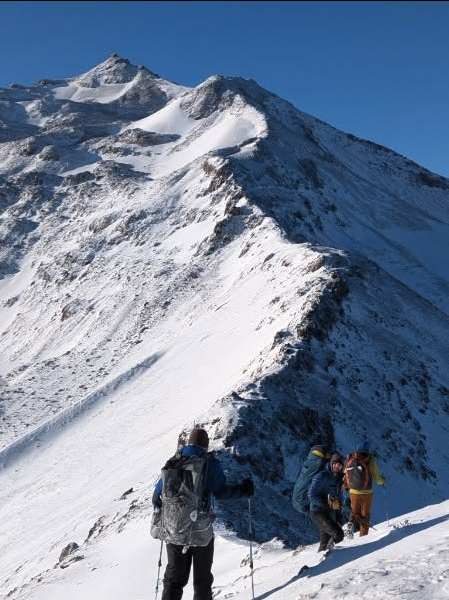
Photo from TMRU’s Facebook post about stranded PCT hiker.
On Sept. 27, Tacoma Mountain Rescue Unit responded to a Garmin SOS from a through-hiker in his 20s on the Pacific Crest Trail who reported his tent had been blown away by wind and he could no longer walk. “The storm grounded the helicopters, so there was no option but to walk in,” said Jake Kiekenapp, Vice President & Mission Lead of TMRU. “Eight miles, in the dark, through calf-deep snow, with the wind gusting over 60 miles an hour. It was harder than even we expected.” Ground teams reached the man at about 1:30 a.m. They rewarmed him and got him into a better shelter, with two team members keeping him warm with their body heat. The team was able to walk him out the following morning.

Altadena and Sierra Madre teams celebrate 75 years of service
Two of California’s teams are celebrating 75 years of service this fall. Altadena Mountain Rescue Team and Sierra Madre Search and Rescue Team, both part of the Los Angeles County Sheriff’s Office, are two of California’s oldest mountain rescue teams. Altadena celebrated its milestone in early September and Sierra Madre will celebrate later in October. They were both formed in 1951 and are among eight teams in LA County. Altadena responds to about 100 missions a year and its coverage area includes the many canyons around Altadena and Pasadena, though it also responds through California and the United States. Sierra Madre is also adjacent to the Angeles National Forest and responds throughout California as well as Baja, Mexico and has gone out of state as well.
Sierra Madre was formed after a search for a missing local boy in 1951. A group of locals had been helping with searches because of their extensive backcountry knowledge and they joined the search, finding tracks that helped lead to the boy and saving his life. Both teams are composed entirely of volunteers and are non-profit organizations. For more information, see amrt.org and smsr.org.

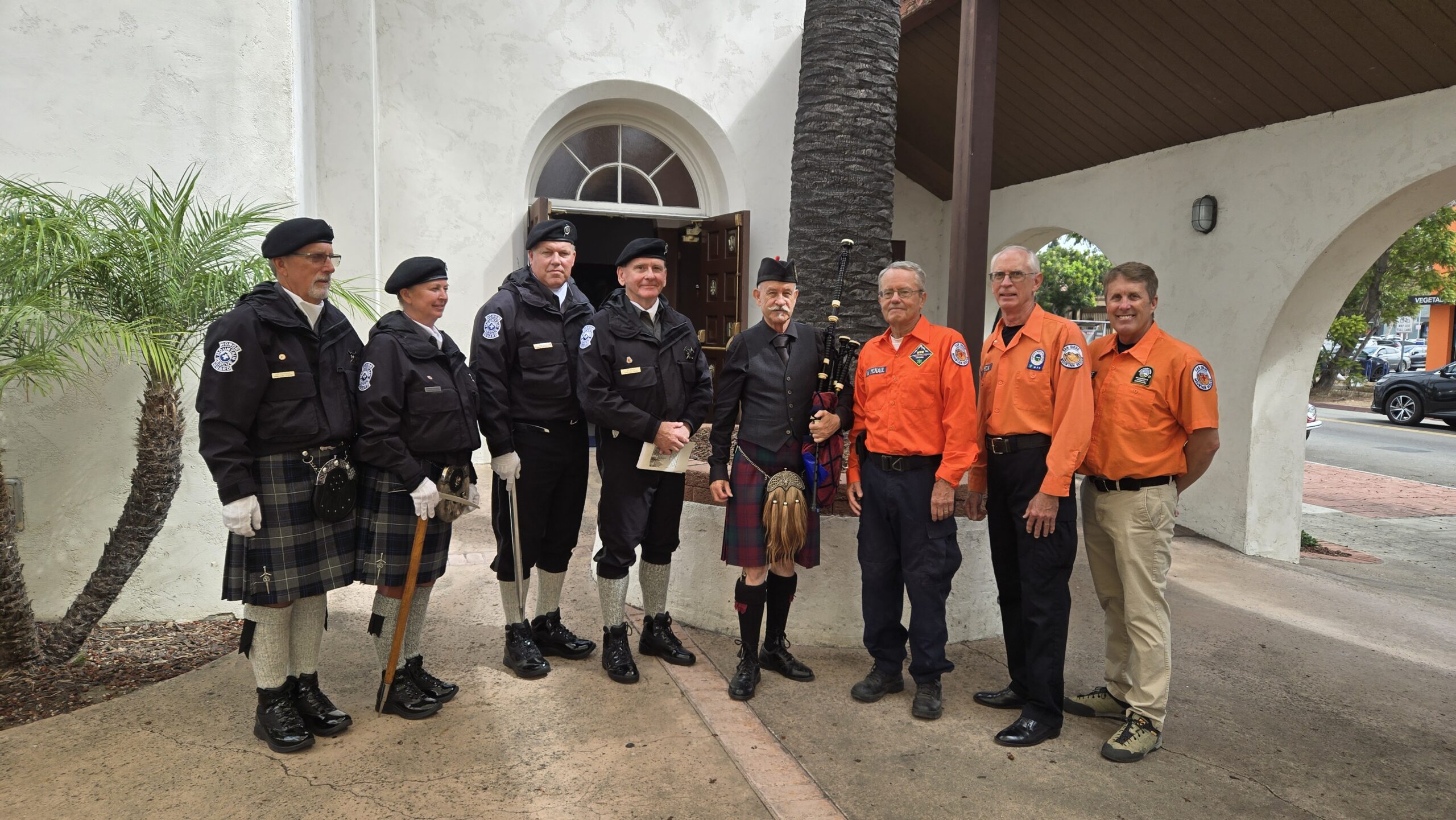
MRA Honor Guard and SDMRU members at memorial for John Wehbring
San Diego Mountain Rescue Team Founder Remembered
John Wehbring, one of the founding members of the San Diego Mountain Rescue Team, passed away on July 15. He was 90. He was honored at a service in August with the MRA Honor Guard in attendance. Wehbring founded SDMR in 1967 after his Sierra Club rock climbing group assisted in a search for some missing hikers in Baja, Calif. That experience inspired him and several others to form a team dedicated to backcountry rescues. He was an active member of SDMR for 50 years and worked with Christopher S. Young on the book Urban Search in 2007. Wehbring moved to San Diego in 1964 for a job in the city’s Planning Department. He later became the Assistant Planning Director of the San Diego Unified Port Authority, where he worked until he retired in 1997.
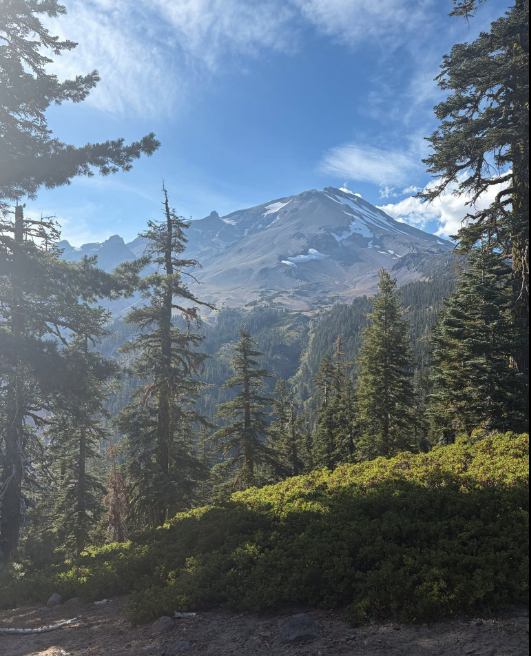
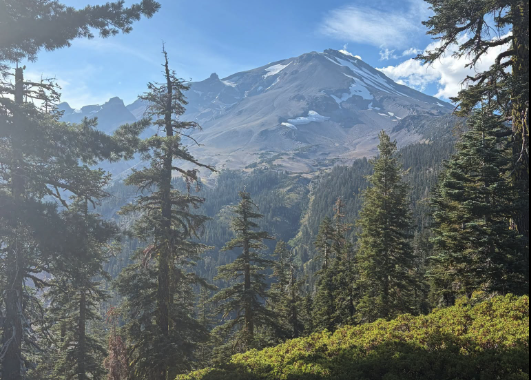
Mt. Shasta
Artificial Intelligence Gets Hikers into Trouble
The downside of using AI to plan or find backcountry adventures was evident after Siskiyou County Search and Rescue had to respond to three hikers on Mt. Shasta who were unprepared for the route they chose and needed rescue. The three college students were attempting their first summit of 14,000-ft. Mt. Shasta in August when they ended up off route in a drainage that has been the site of multiple fatalities, officials said. It had taken them much longer than expected to summit – 16 hours – and they didn’t have enough food or the correct equipment to descend in the dark. “They were woefully underprepared,” said Sage Milestone, public information officer for Siskiyou Sheriff’s Office, adding that they asked for a helicopter repeatedly and didn’t follow instructions to stay where they were. They continued trying to descend until one of them twisted his knee. Rangers eventually reached them, gave them water and food and helped carry their stuff down. It’s not the first time Milestone has seen AI get people in trouble on the mountain. “This year it has been a feature of SARs,” she said. Internet searches will give incorrect maps or assume fitness levels that don’t match reality. In this case, the amount of food and water the hikers were advised by Google’s Gemini that they needed was far too little and there wasn’t any warning about how difficult the unmarked trail was.
Joshua Tree National Park has also seen AI advice that is dangerous. In June and July, National Park Rangers stationed at the west entrance to the park started hearing from hikers that they intended to hike Mt. Ryan, which is a three-mile out and back hike that is estimated to take about two hours. But it is dangerous in the summer because of extreme heat and no shade. Rangers were able to intervene and caution the hikers against it, learning that they had heard of it through Chat GPT. “It’s not the trail to do in the summer,” said Anna Marini, National Park Ranger and Preventative Search and Rescue Coordinator at Joshua Tree. She said AI is causing the same problems that started with social media – videos and posts showcasing destinations that are not matched to the abilities of everyone.