Stowe Mountain Rescue Tries to Teach, Warn Inexperienced Adventurers
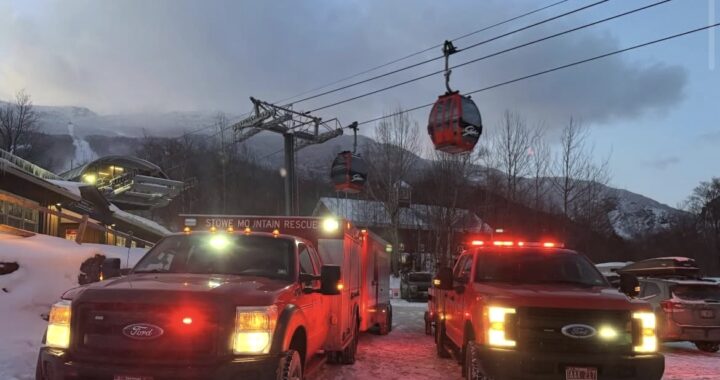
The Stowe Mountain Rescue team made headlines in December with a post about social media videos that were luring inexperienced skiers and snowboarders into backcountry locations that they were not prepared for and leading to an increase in rescue calls for the team. More recently, the team posted about what four skiers who found themselves out of bounds did right – providing an example of what to do when lost or in trouble. Stowe intentionally keeps an informative and often funny tone in its posts, not a scolding or accusatory one, hoping to educate people about recreating safely and learning from mistakes. In a December post about assisting a lost skier the team noted that it was “Another case of following sweet-looking tracks without paying heed to destination or daylight hours.” But they made light too, noting that he endeared himself by asking for help “only if you’re not too busy,” being coachable and helping get himself out and promising to name his firstborn daughter after the team member who escorted him out of the woods.
“We try to be educational,” said John Whese, chief of Stowe Mountain Rescue. “We get a lot of comments. The problem is everywhere – it’s not just a Stowe thing.” What is unique, though, is Stowe’s lighthearted tone and repeated attempts to educate the public, even though Whese doesn’t see it having an impact. Another incident earlier in December involved four skiers who ended up in a dangerous spot near some cliffs and Stowe posted about all the things the lost skiers did right: stopping when they knew they were in trouble, not following other tracks and calling for help. Stowe members were able to coach them to move back uphill the way they had come and then had a snowcat meet them and bring them out. The post noted that if the skiers had continued it could have turned into a much more dangerous situation for everyone with a technical, high-angle rescue in the dark. In November, Stowe rescued two hikers trying to summit Mount Mansfield, but needed rescue because it got dark and they weren’t prepared with the right clothing, shoes or gear. “The good news is that these young people had the vision to climb a mountain,” the post read. “Last night will have taught them a lot about how to prepare for a backcountry adventure.”
Florida Team Deploys Newest Member – Splash the Otter
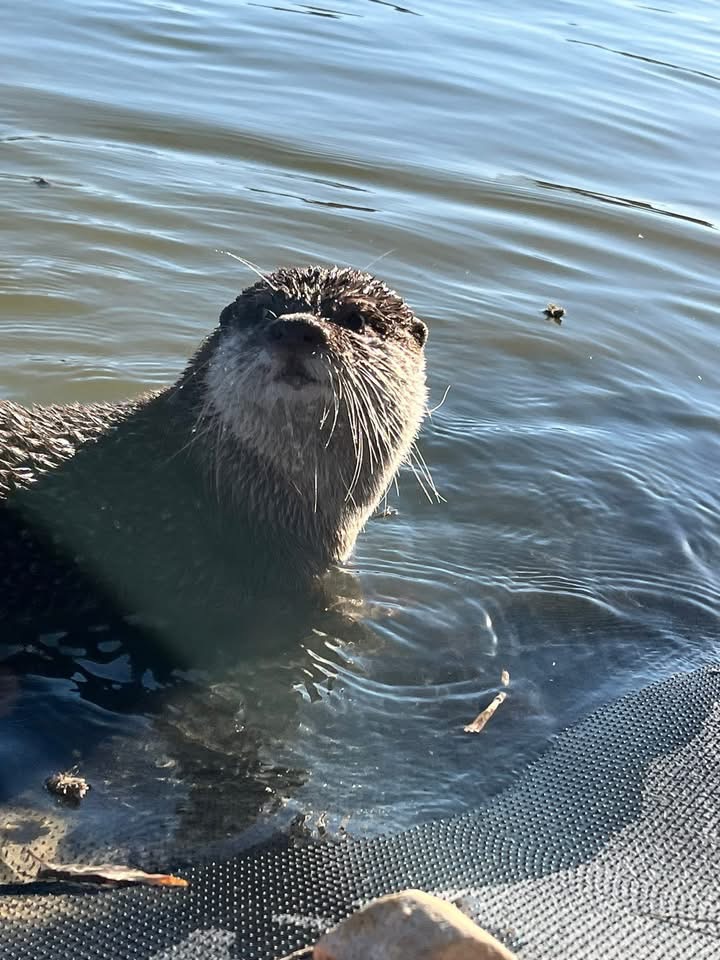
Splash, a small-clawed Asian otter, is the newest search animal for a search and rescue team in Florida and he is already racking up finds for his handler, going on 20 missions with five successful recoveries. Michael Hadsell, president of Peace River SAR in Charlotte County, has been training K9 dogs for more than 40 years, but he was puzzled trying to find a better way to search water for human remains. In his area, there are lots of cold cases and he found that the dogs weren’t always able to find remains. “We miss more than we find,” he said. So when he found himself with extra time during COVID, he remembered reading about how otters hunt by following scent in water, blowing air bubbles through their nose. He figured he could teach one to follow a specific scent, like human remains. He visited a local aquarium and worked with some American river otters, but found that, while they were excellent swimmers, they were quite aggressive and not as vocal, which made signaling a find harder.
Splash was donated to Hadsell by a zoo in Phoenix, and Hadsell immediately started working on scent imprinting by rewarding Splash every time he tapped a scent tube put out on the table. Otters eat four times a day and have fast metabolisms, so they are very food motivated, Hadsell said. Eventually, they moved the scent work to the water and now Splash has traveled as far away as Reno, Nevada, and Yellowstone National Park in Wyoming to work on cold cases. Splash is about three feet long and weighs 11 pounds and lives in the house with Hadsell and his wife. He signals a find by swimming back to Hadsell, who is on the forensic dive team, and grabbing onto his face mask. Hadsell will then attach a leash to Splash and follow the line until he finds Splash laying on the remains. Hadsell is amused by all the attention that Splash has garnered. “I had no idea people were this interested in otters,” he said.
 Quicksand Rescue in Moab
A hiker who got stuck in quicksand in Arches National Park was rescued by Grand County Search and Rescue in early December. Austin Dirks was hiking in Courthouse Wash early on the morning of December 7 when his left foot sunk in the mud under what he estimated was about an inch of water flowing down the wash, according to an account he posted on Reddit. When he leaned on his right leg to pull free, it sunk up to the knee. He said he wasn’t too worried as he had been stuck in mud and sand before, but he quickly realized this was different. His trekking poles weren’t helpful and digging wasn’t working at all as water and sand would instantly fill the hole as he dug. The temperature was in the 20s and the water was very cold as well, so Dirks became concerned about hypothermia. He worked for 30 minutes trying to free himself before his hands went numb and he decided to activate his Garmin SOS.
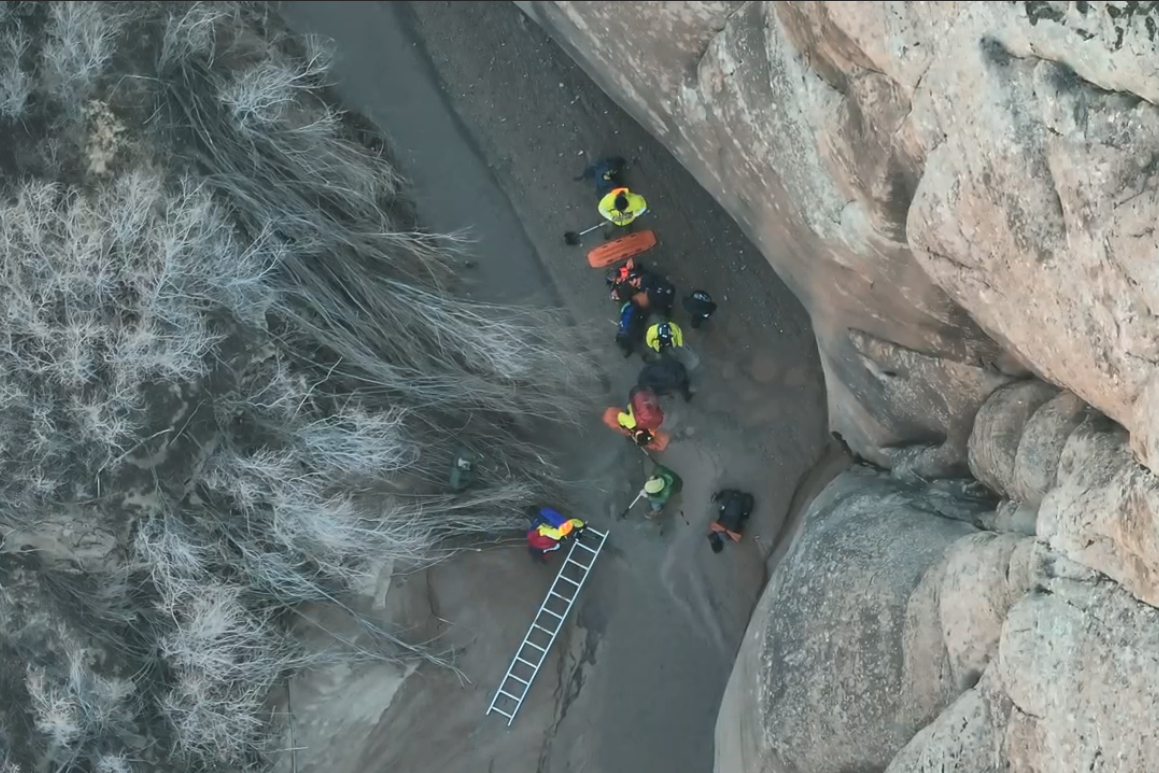
Grand County SAR in Moab, Utah got the alert, which provided his GPS location but said only “Stuk quicksand” because his bluetooth connection to his phone wasn’t working so he had to type it on the Garmin screen. “I painstakingly typed on the tiny Garmin with frozen fingers, 1 letter at a time,” Dirks wrote on Reddit. The Grand County team was conducting a multi-agency rope rescue training not very far away and quickly peeled off several members with two UTVs and drone to respond, said Scott Solle, vice commander. They weren’t sure exactly what other equipment to pack, but ended up bringing a backboard, some traction plates and a ladder. “We were thinking: what tools do we need? This isn’t a rescue we train for,” Solle said. The SAR team used the drone to locate Dirks and scout out a good path for rescuers to hike down into the canyon, then used the ladder as a bridge and the backboard and traction devices to displace weight and allow rescuers to dig our his leg, which was bent at an awkward, painful angle. The ladder became a bridge for Dirks to walk across once he was freed. Dirks has posted a write up of his ordeal on Reddit, and sent thanks to all the rescuers who came to his aid, Solle said.